Saffron
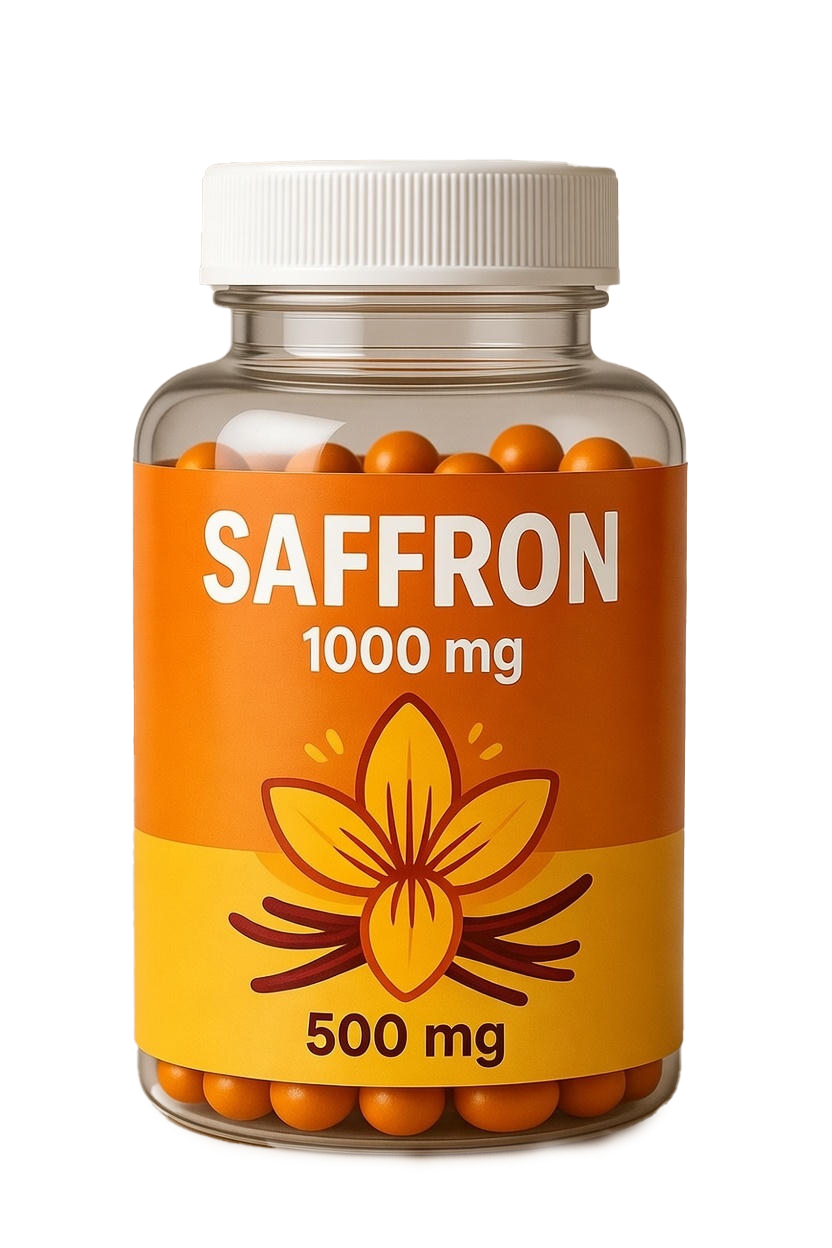
Saffron is a culinary spice that’s also sold as a concentrated herbal supplement, most commonly marketed for mood, stress, and “natural antidepressant” effects. Supplement formulations use standardized extracts (not the very small amounts used in cooking), which can meaningfully affect neurochemical signaling. In clinical research on depression, saffron has been compared to placebo and sometimes to antidepressants, and mechanistic discussions often involve serotonin-related pathways (including effects on serotonin signaling and reuptake), though the exact mechanisms in humans are not fully established.
Because of this serotonergic framing, saffron tends to get grouped—informally—with other mood-active substances rather than simple nutritional supplements. For people who are sensitive to serotonin modulation, that distinction matters: even botanicals can produce CNS effects that are noticeable and sometimes destabilizing, depending on individual vulnerability and dose.
Crash Anecdotes (Community Reports):
https://www.reddit.com/r/PSSD/comments/1l6fvuo/research_shows_benefits_of_saffron_in_reducing/
https://www.reddit.com/r/PSSD/comments/1c8repl/i_think_i_may_have_just_crashed_a_little_from/
https://www.reddit.com/r/PSSD/comments/1b3w5sy/is_saffron_or_ginkgo_safer/
How to Interpret This Page
This page summarizes anecdotal reports and community observations, not medical evidence. “Risk” here refers to how frequently severe or prolonged symptom worsening is reported, not to proven causation or population-wide probability. Individual responses vary widely, and absence of issues in some users does not rule out significant reactions in others.
Community Reports: Mixed Outcomes & Variable Risk Signal
Overall pattern: In PFS/PSSD/PAS discussions, saffron is more often associated with neutral or negative experiencesthan with clear benefit. Many people report little to no improvement, while a noticeable subset describe flares or crashes after starting it. Reported worsening commonly includes increased anxiety or agitation, sleep disruption, emotional blunting/anhedonia, and sexual symptom worsening—domains that are already fragile in these conditions.
Why the risk signal exists: A plausible explanation discussed by users is saffron’s interaction with serotonin signaling, which may be tolerable or helpful in general populations but destabilizing in people who already react poorly to serotonergic agents. This doesn’t mean saffron is “the same as an SSRI,” but it helps explain why responses can skew negative in a sensitized nervous system.
Risk–reward framing: Compared with other substances, saffron tends to have a low upside signal (few convincing improvement stories) paired with a non-trivial downside signal (repeated crash reports). Because the expected benefit is often modest or absent, many people in these communities judge that the risk isn’t worth taking—especially during stabilization or recovery attempts.
Practical Caution Signal
Saffron is often treated as a low-reward / potential-downside experiment for people with PFS/PSSD/PAS. If someone has previously reacted poorly to serotonin-active drugs or supplements, skipping saffron altogether is a common conservative choice. If encountered inadvertently (e.g., in mood blends), stopping it when symptoms worsen is a reasonable signal-based response.
Evidence Basis
Clinical and preclinical literature on saffron in depression and mood disorders (including serotonergic hypotheses); general herbal pharmacology; anecdotal community reports (online forums, self-reports). No controlled studies demonstrating safety or benefit for PFS/PSSD/PAS specifically.