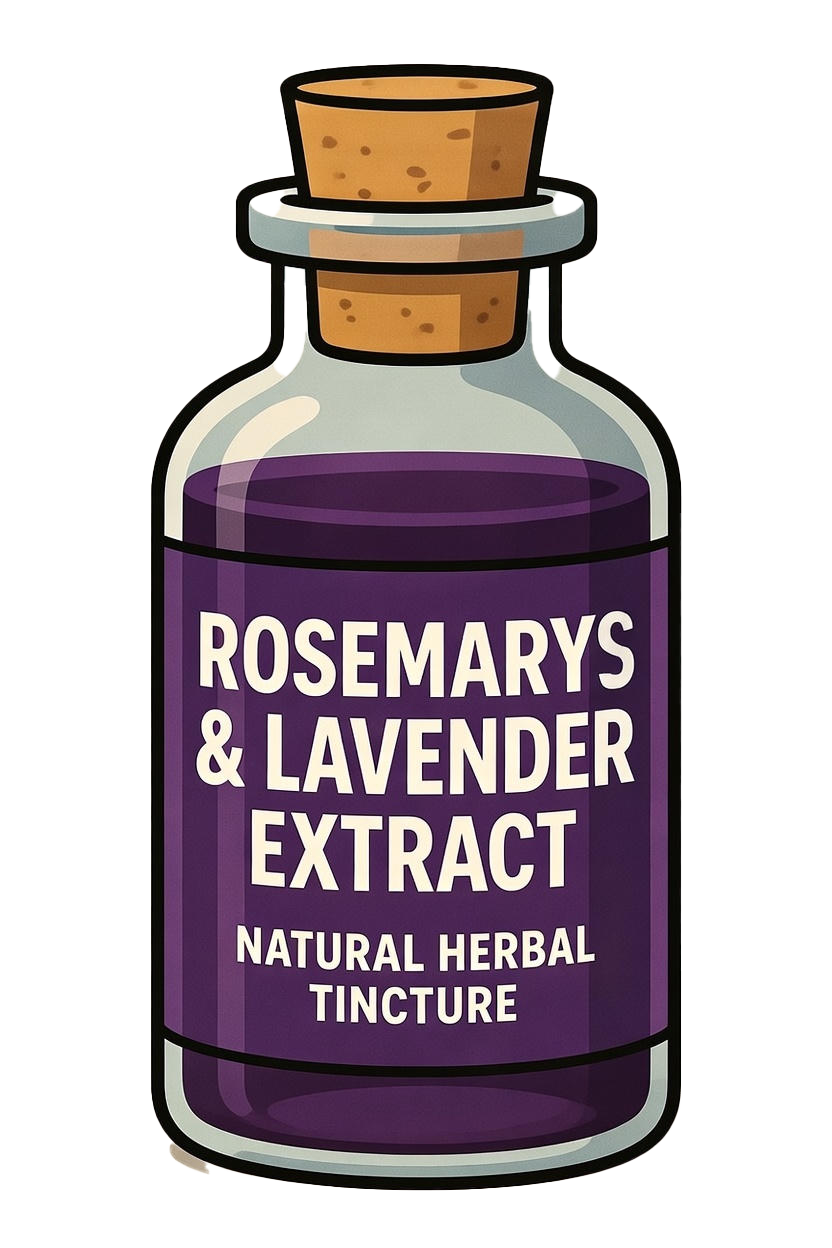
Extract and Oil
Rosemary oil and lavender oil are common “hair/scalp” ingredients, but both have plausible hormone-signaling overlap. Rosemary (Rosmarinus officinalis) has been studied for androgenic alopecia: a randomized comparative trial found topical rosemary oil performed similarly to 2% minoxidil over 6 months (1). Mechanistically, rosemary leaf extract has shown strong 5-alpha-reductase inhibition in lab assays (a DHT-pathway enzyme), which is one reason it’s marketed in “DHT-friendly” hair products (1). Lavender oil is more often discussed as a potential endocrine disruptor: a NEJM case series reported prepubertal gynecomastia associated with repeated topical exposure to lavender/tea tree products that improved after stopping, and in vitro work has shown weak estrogenic and anti-androgenic activity for certain components (2). At the same time, later reviews argue the overall human evidence is limited and not definitive (1).
For PFS/PSSD/PAS, the practical takeaway is that rosemary/lavender (especially concentrated oils/extracts in hair products) are often treated as potential triggers because they sit close to pathways people are sensitive to (DHT/androgen signaling for rosemary; hormone-receptor activity concerns for lavender). Even if many people tolerate them, sensitized individuals sometimes report flares/crashes, so a cautious site-friendly stance is: avoid during stabilization, and if someone insists on testing, do it carefully (one change at a time, stop if you see a consistent worsening).
(1) https://pubmed.ncbi.nlm.nih.gov/25842469/
(2) https://www.nejm.org/doi/full/10.1056/NEJMoa064725
Crash Anecdotes:
My Personal Risk Ranking:
Moderate Risk of Permanent Worsening (for PFS/PSSD/PAS):
If you currently have PFS/PSSD/PAS, rosemary and lavender oils/extracts may carry a low-to-moderate risk of worsening symptoms because they can intersect with hormone-related pathways (rosemary has been shown to inhibit 5-alpha-reductase in lab studies, and lavender has shown weak anti-androgenic/estrogenic activity in vitro and is associated with endocrine concerns in case reports). While permanent worsening appears uncommon, there are community reports of flares/crashes (and occasional longer-lasting setbacks), especially with concentrated oils used regularly. For most people, it’s best to avoid these during stabilization, or only test cautiously—one change at a time—and stop if symptoms clearly worsen.