Antipsychotics
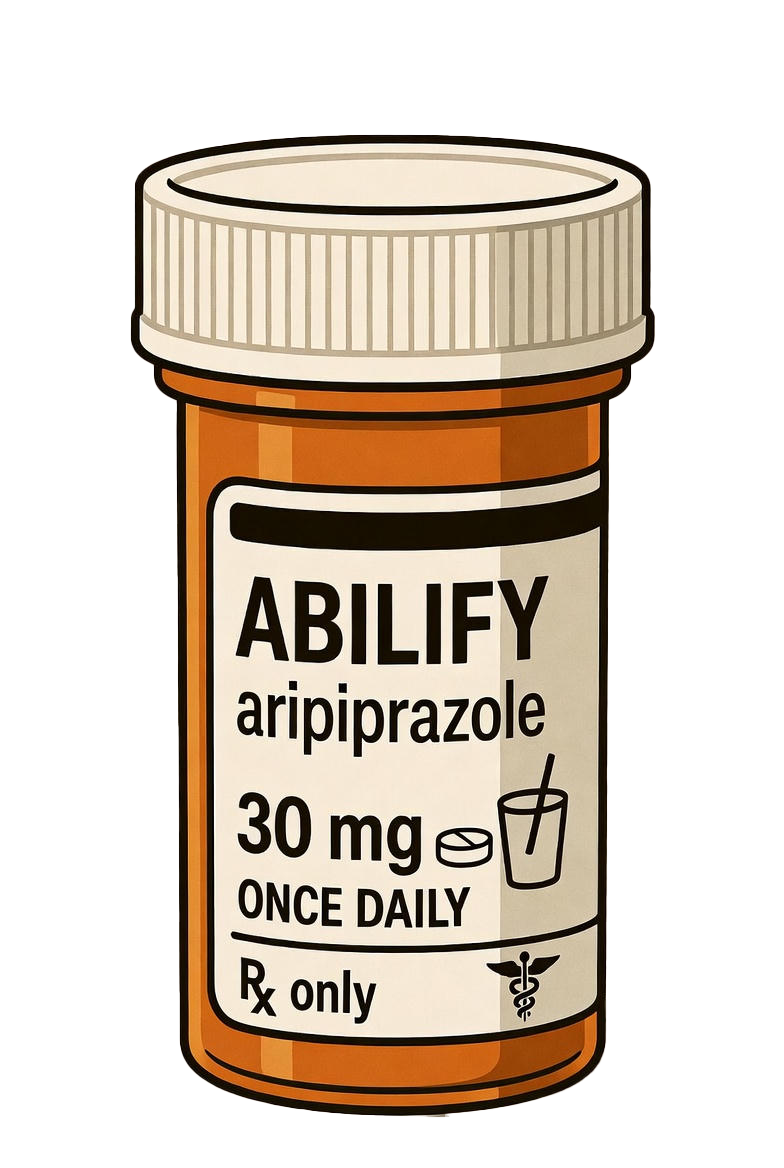
Antipsychotics are medications used for conditions like schizophrenia, bipolar mania, and sometimes as add-ons for severe depression or agitation. In general, they work by reducing dopamine signaling, primarily through D2 receptor blockade or partial agonism; many “second-generation” (atypical) antipsychotics also block serotonin 5-HT2A receptors and can have additional antihistamine/anticholinergic/alpha-adrenergic effects, which contribute to sedation, weight gain, and other side effects (1).
In terms of risk/overlap with PFS/PSSD/PAS-style symptom clusters: antipsychotics aren’t typically described as “anti-androgens,” but they can strongly affect sexual function and motivation by dopamine blockade and prolactin elevation(which can reduce libido, arousal, and orgasm function, and contribute to hypogonadal symptoms) (2). They also carry important neurologic/systemic risks that matter in sensitized people—such as akathisia/EPS, potential tardive dyskinesia with longer exposure, and rare but serious neuroleptic malignant syndrome (NMS) (3).
(1) https://www.ncbi.nlm.nih.gov/books/NBK519503/
(2) https://pmc.ncbi.nlm.nih.gov/articles/PMC3623530/
(3) https://www.ncbi.nlm.nih.gov/books/NBK482282/
Crash Anecdotes:
https://www.reddit.com/r/FinasterideSyndrome/comments/1fb8zns/stay_away_from_antipsychotics/
https://www.reddit.com/r/PSSD/comments/1d7lsa4/raising_awareness_pssd_from_antipsychotics/
My Personal Risk Ranking:
High Risk of Permanent Worsening (for PFS/PSSD/PAS):
If you currently have PFS/PSSD/PAS, these substances may carry a high risk of worsening symptoms—potentially in a lasting way—and is best avoided.