Rogaine / Minoxidil
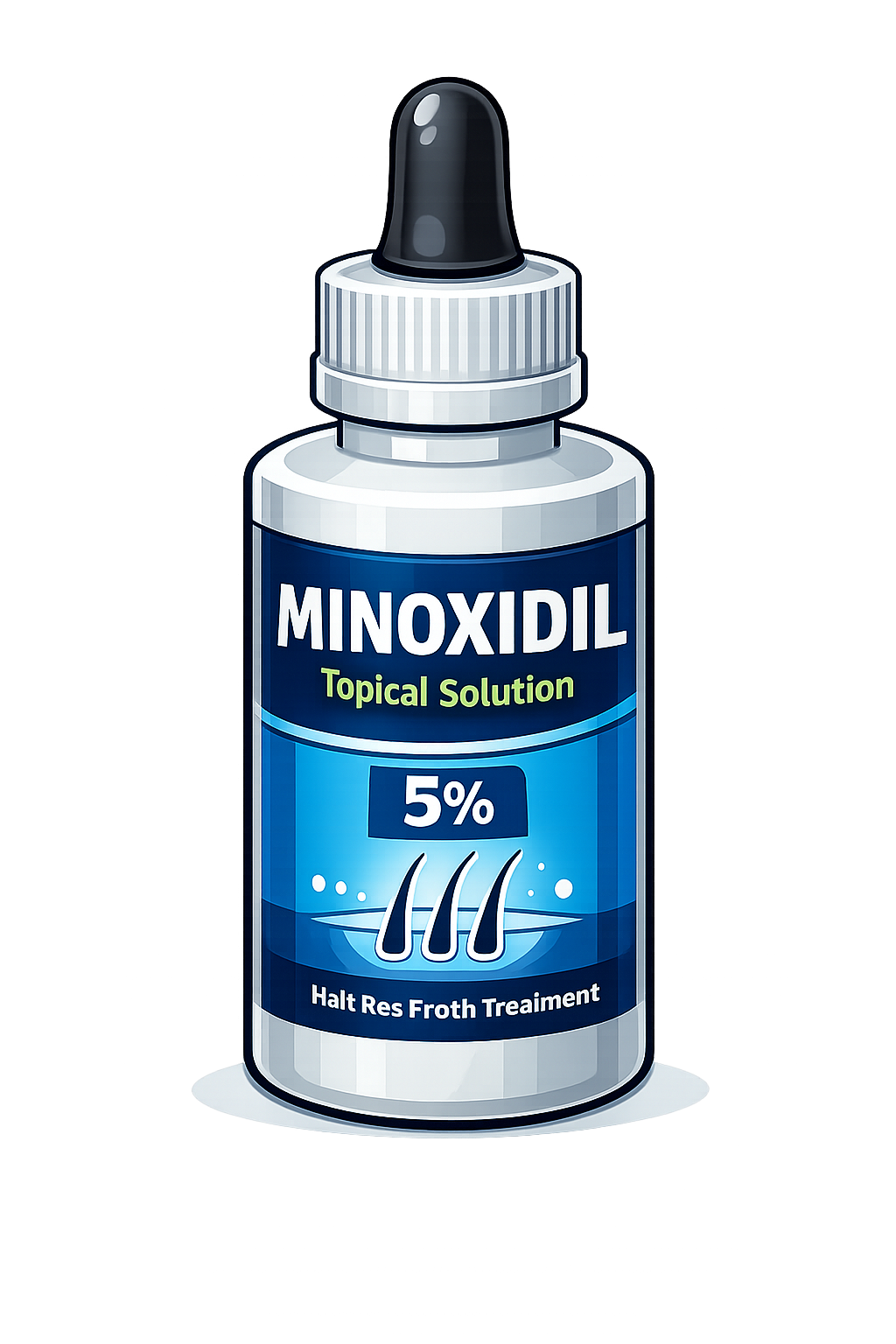
Minoxidil (Rogaine) is a vasodilator used in both topical and oral forms to treat hair loss, and it is often described as working “only through blood flow.” However, evidence suggests its hair-growth effects are more complex and may involve androgen-related pathways, including suppression of androgen receptor signaling. In susceptible individuals—particularly those with PFS/PSSD/PAS—both topical and oral minoxidil have been reported to trigger symptom flares or worsening, making it a potentially higher-risk treatment despite its widespread use (1).
Importantly, lab research in human hair dermal papilla cells has found that minoxidil can suppress androgen-receptor (AR)–related signaling (including reduced AR activity and AR protein stability) (2). A separate review also discusses minoxidil reducing AR expression in this context (3).
(1) https://pubmed.ncbi.nlm.nih.gov/14996087/
(2) https://pmc.ncbi.nlm.nih.gov/articles/PMC4039155/
Crash Anecdotes:
https://www.askapatient.com/viewrating.asp?drug=20834&name=ROGAINE+EXTRA+STRENGTH+%28FOR+MEN%29
https://www.reddit.com/r/FinasterideSyndrome/comments/l9yyga/5_minoxidil_has_induced_pfs_symptoms/
My Personal Risk Ranking:
Extreme Risk of Permanent Worsening (for PFS/PSSD/PAS):
If you currently have PFS/PSSD/PAS, this substance may carry an extreme risk of worsening symptoms—potentially in a lasting way—and is best avoided.
For those without these conditions, there are reports of a “post–minoxidil syndrome” that can resemble PFS/PSSD/PAS although much less frequent for this over the counter supplement. Given the uncertainty and the potential severity of outcomes, the risk may not be worth the advertised benefits.